





NAD+ 101: the coenzyme in all your cells
What NAD+ is, what studies say about NMN and NR, and why NAD-LQ comes in liposomes.
NAD+ (nicotinamide adenine dinucleotide) is a coenzyme your body uses in every cell. It takes part in turning food into energy and in many cell-maintenance processes. It isn't exotic: you make it from vitamin B3 and other precursors.
Does it drop with age?
It's the most repeated idea, and the evidence in people is more modest than usually told. Some studies found lower levels in certain tissues of older people, but recent reviews note that this drop has been consistently observed in only a limited number of human studies. The honest thing to say is that it's an active line of research, not a settled fact.
NMN, NR and NAD+: which is which?
- NMN (nicotinamide mononucleotide) and NR (nicotinamide riboside) are precursors: the body uses them to make NAD+.
- Clinical trials show that taking NMN or NR raises NAD+ in the blood. Doses studied range from 100 mg to 2 g per day, for 2 to 12 weeks, and were well tolerated.
- What hasn't been shown in humans yet is that this increase translates into "anti-aging" effects. That's why you won't read that promise at SNP.
Why liposomal?
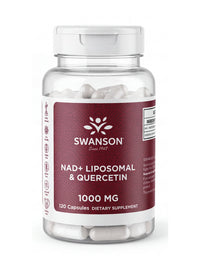
A liposome is a tiny bubble of phospholipids, similar to the membrane of your cells. In NAD-LQ (Liposomal NAD+ + Quercetin) the NAD+ travels wrapped in that layer. It's a format designed to protect the content on its way through the digestive system.
In short
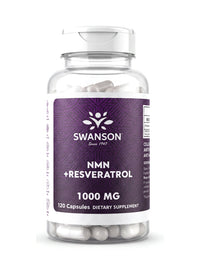
NMN and NR are the most studied ways to raise NAD+. If you want to start with one, NMN + Resveratrol combines the precursor with trans-resveratrol. If you prefer the coenzyme itself, there's Liposomal NAD+.
Dietary supplements do not replace a varied diet or medical treatment. If you are pregnant, breastfeeding, taking medication or have a health condition, talk to your doctor before starting.
 Longevity Kit · 25% off

